Attendees Only
This page contains content for attendees only, please enter the password provided by the HBM events team to view
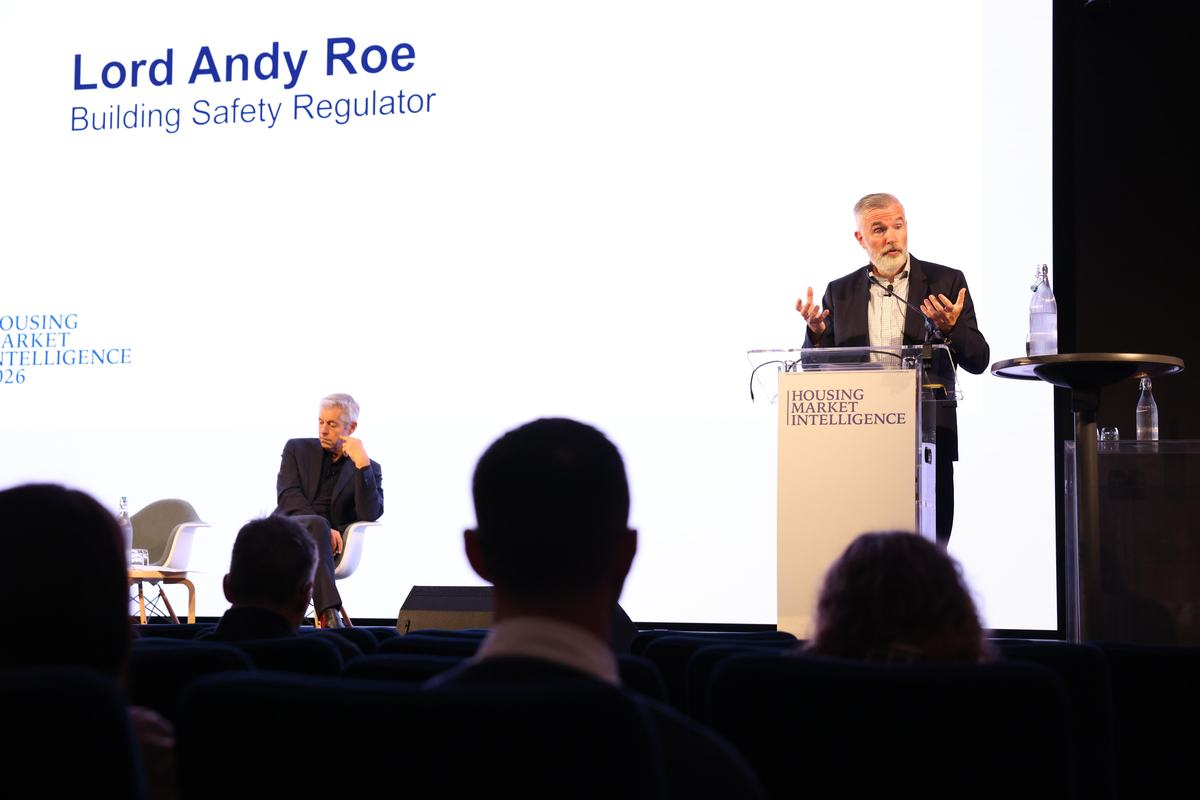
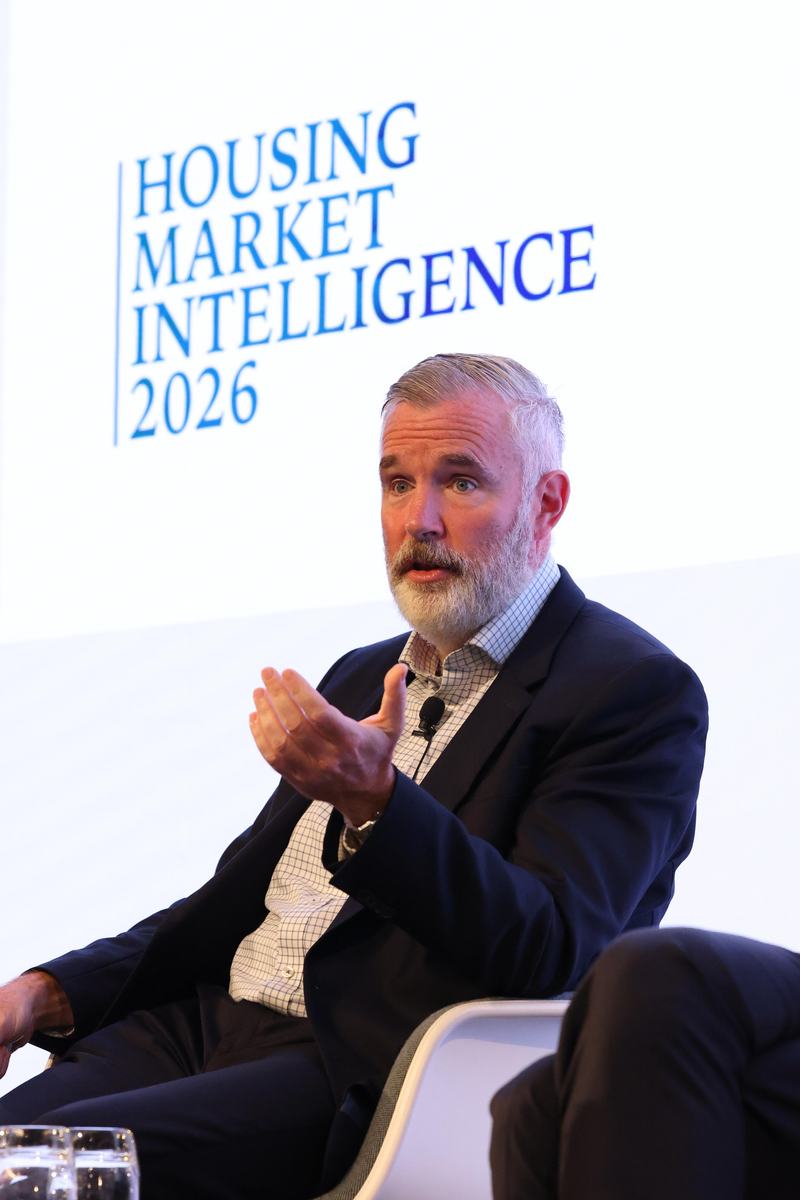
The Building Safety Regulator can “genuinely point to a profound turnaround” in its performance, but the industry must continue to work with it, according to Lord Andy Roe, chair of the Building Safety Regulator (BSR).
Speaking at the Housing Market Intelligence Conference in London, Roe said that if any one entity involved in the process of ensuring safer homes are built – government, the BSR and industry – “loses faith in the other”, then no-one would deliver.
Roe indicated that gateway two approval timescales for high rise residential buildings had significantly improved since last year – determinations were currently down to 20 weeks against 2025’s average of 53 to 54 weeks. “But we’d like to see that come down to the target of 18 weeks.” He noted that gaining “consistency of engineering decisions” had aided the improvement.
But following this “profound turnaround” from the BSR, housebuilders now needed to achieve better control of its subcontractors for better building outcomes, Roe strongly advised.
With successful gateway two applications now on site, “we need to pull design standards up. There’s variable control of subcontractors on site. I urge you to see who’s on your sites” to ensure building plans were being carefully followed, he said.
“It’s the small points of failure with a large building that can be catastrophic,” Roe warned. He encouraged those delivering high-rise buildings to “keep engaging” with the BSR.
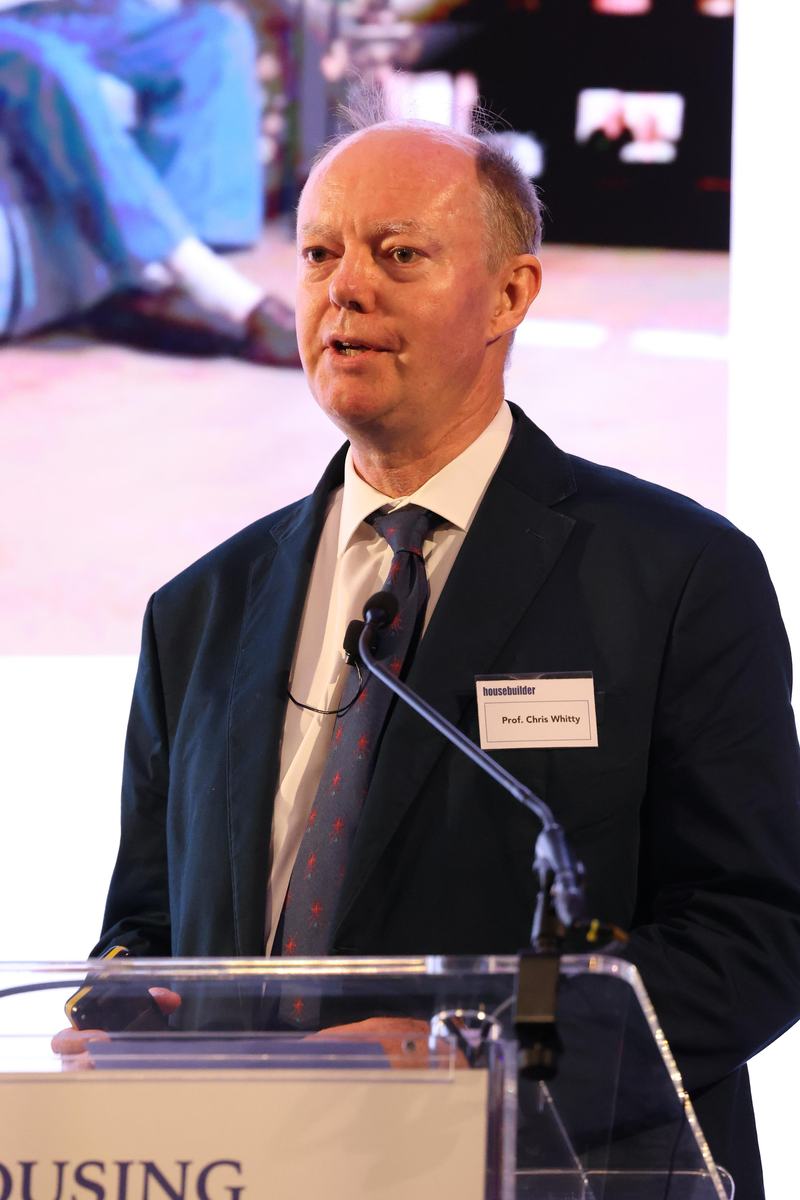
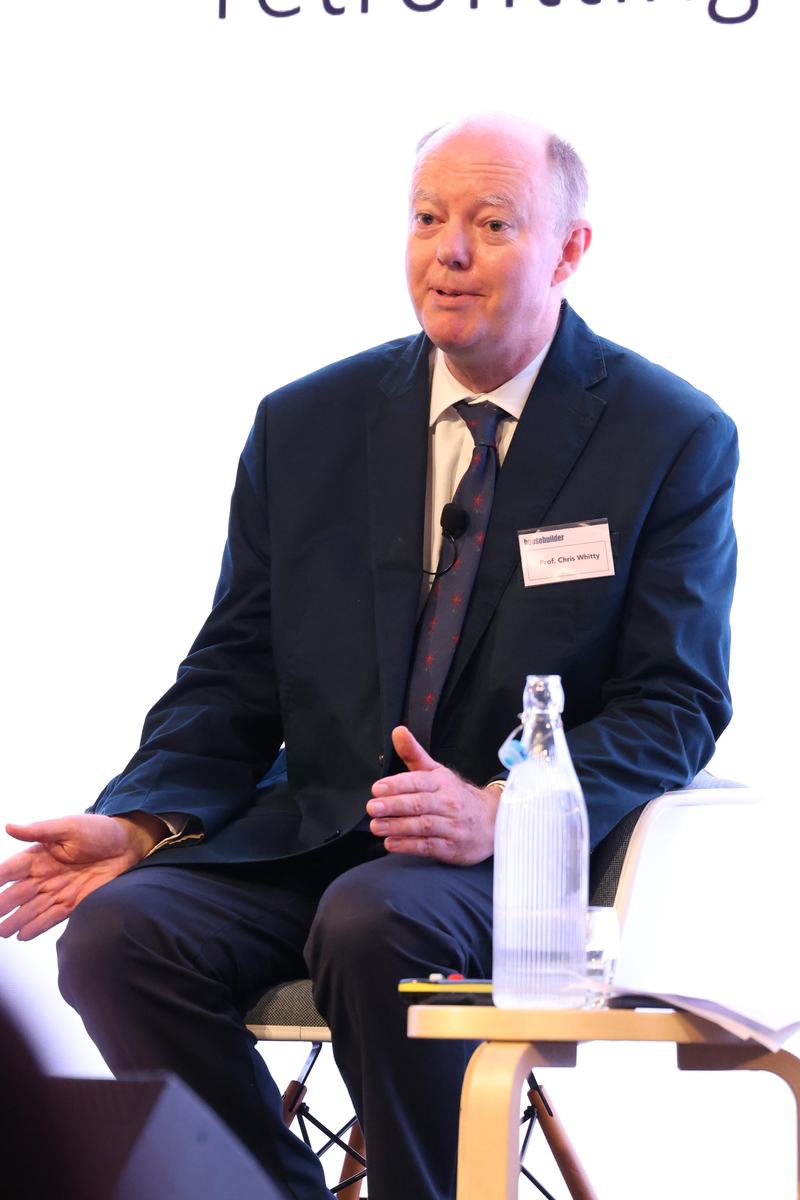
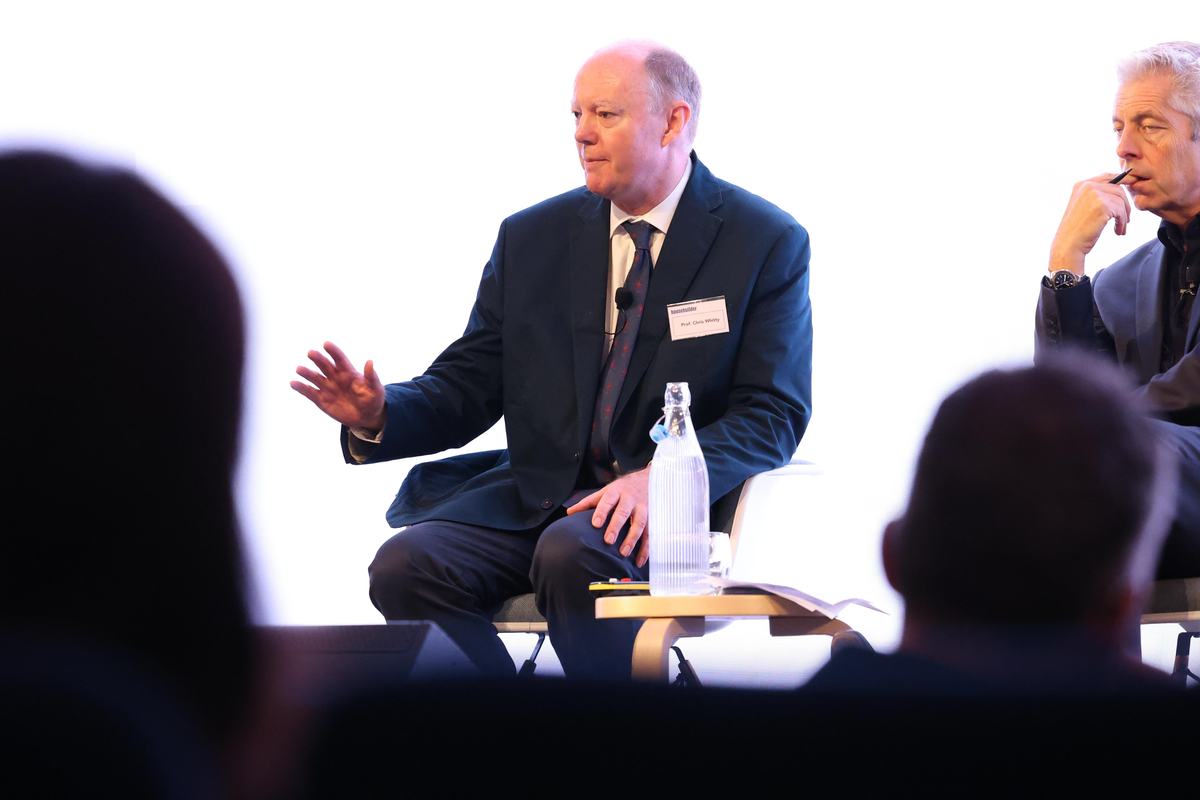
Also focusing on the health and comfort of residents, professor Chris Whitty, chief medical officer for England, told the audience they could do much for the needs, health and independence of the ageing population, making homes adaptable and reducing the need for older people to be reliant on others.
“What I can do [as a health professional] and you can do is help people have a fun old age,” he said. “If you plan a house that is adapted to old age, it’s much cheaper than retrofitting.”
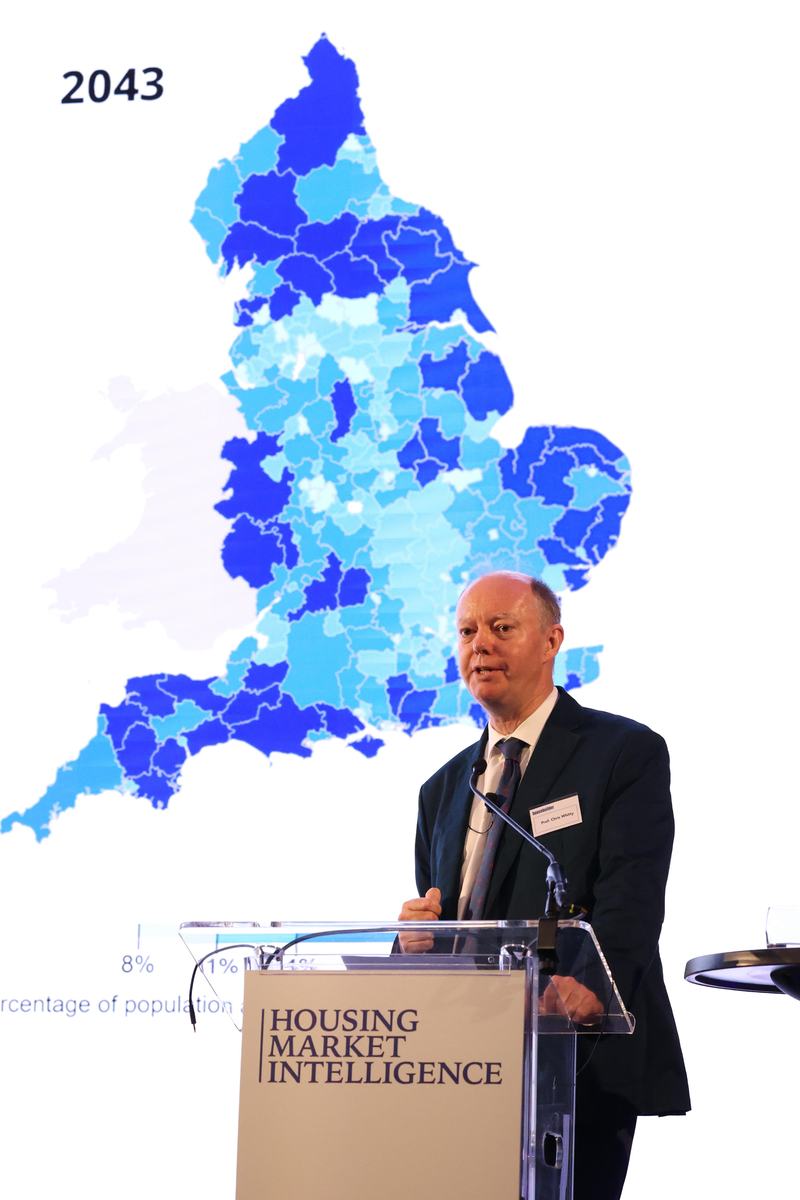
Whitty noted that the elderly population were more likely to remain in their family home “with all its memories”. He also demonstrated that younger people would continue to live in cities, while those older would typically live across all other parts of the country. This was an opportunity for housebuilders.
In the 1950s, with the elderly in far lower numbers, “homes were not designed for older people”, Whitty noted. But by 2018, there was a “very large older population”. Housebuilders needed to be very aware of this, he indicated. “Building in areas where the increasing population will soon be over 75 as if it were the 1950s makes no sense.”
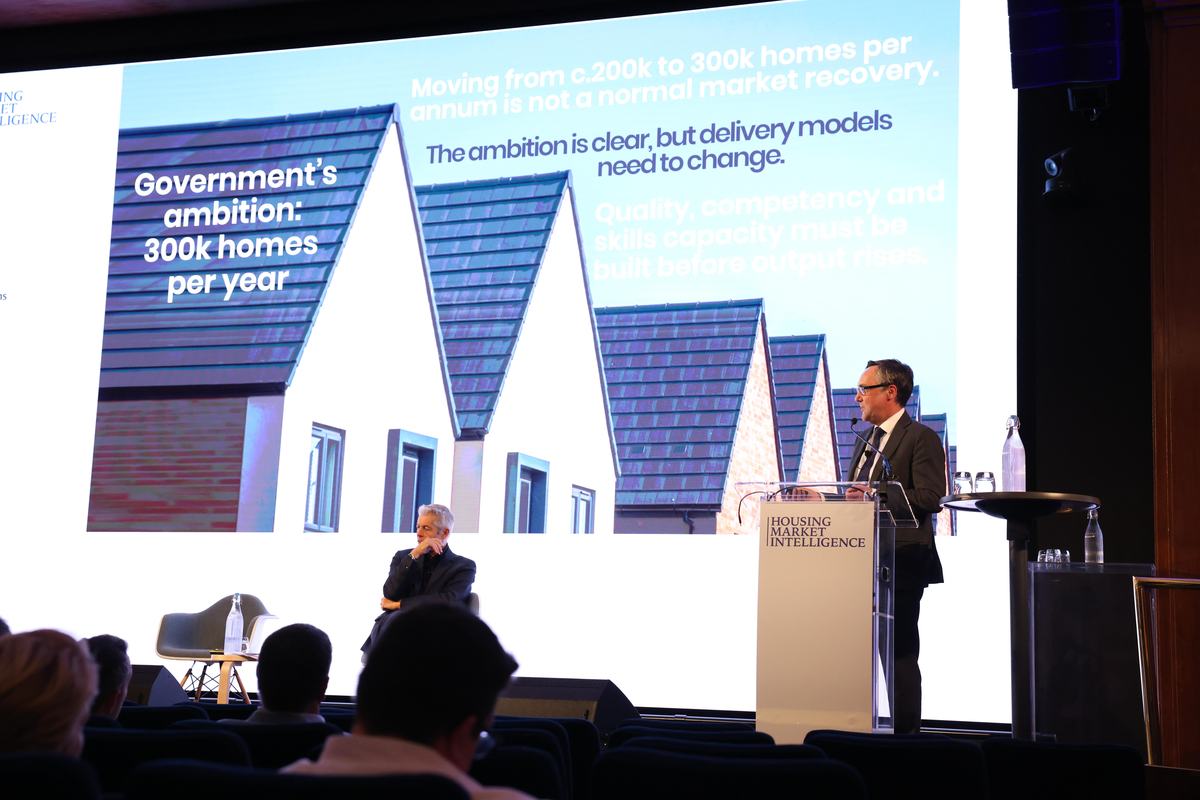
Also speaking at the conference, Neil Jefferson, chief executive of the Home Builders Federation, gave an overview of the state of play for politics and housebuilding policy, also reflecting on what had changed since last year’s HMI.
What was different, Jefferson said, was the “welcome” announcement of the government’s new equity loan scheme, Your First Home, announced less than two weeks previously. This had “changed the outlook”.
However, Jefferson reminded the industry, viability challenges and other strains continued. The government had revised its changes to landfill tax and recognised the “viability crisis in London” through its package of emergency measures. But it would “need to make difficult trade-offs” if it wished to deliver the level of homes needed.
Simon Century, chief executive of the National Housing Bank, the new subsidiary of Homes England offering £16 billion of permanent capital through the Treasury, said the organisation was “unapologetically focused on all parts of the sector”, with “an active focus on SMEs”. The new Bank was “there to listen, listen, listen to what is happening in the market”.
Gráinne Gilmore, Cluttons’ head of residential sector and David Smith, economics editor of The Sunday Times, gave overviews of the housing market and economy, offering outlooks.
Gilmore reflected on the uncertainty - the Middle East conflict had disrupted a brighter looking market for interest rates. But policy levers were “being pulled”, including the new equity loan scheme. These could be “impactful”, with “pricing starting to gain momentum” following them.
Smith said the level of consumer confidence needed to “turn around before we talk about the impact of Your First Home”, although the scheme was “a good idea”.
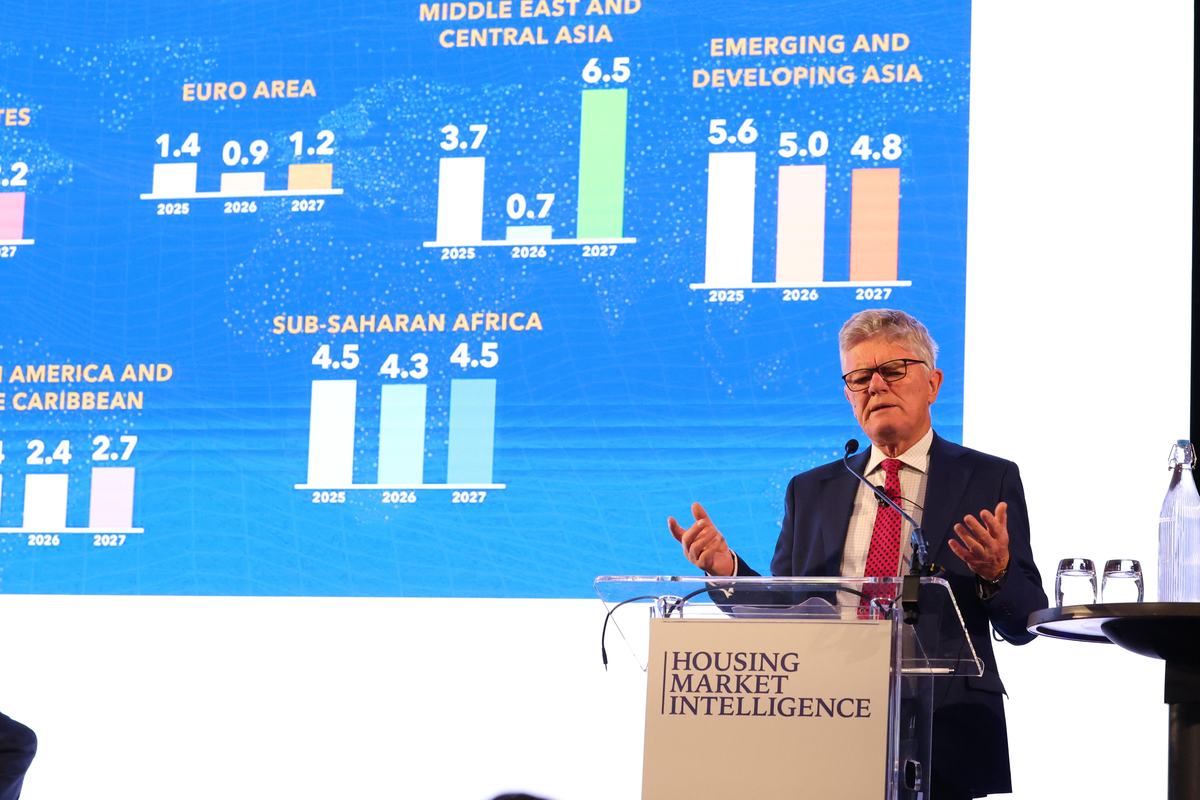
At the same time, he noted the “resilience” of the UK economy, with the country seeing the fastest growth of the G7 in the first half of the year. Monthly GDP figures were “quite strong, maybe because we’ve seen so many shocks” in recent times, he commented.
In his speech, Matt Fleming, the Henry Agency’s executive chair, pointed out that the GfK Consumer Confidence Index had climbed towards neutral territory after six years of negative readings, coinciding with Andy Burnham becoming prime minister.
Purchasers were inhibited by affordability and availability, but housebuilders could influence the former, he advised. “This is how you can increase the market share of new build.”
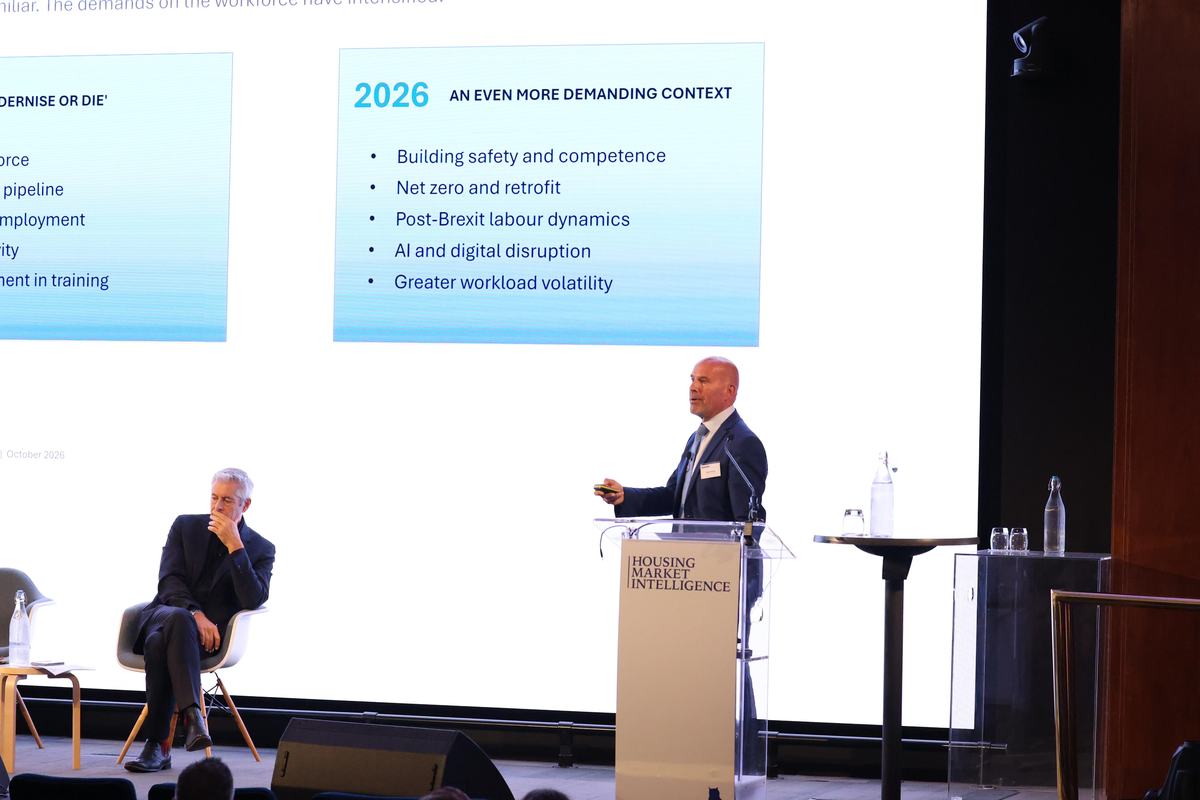
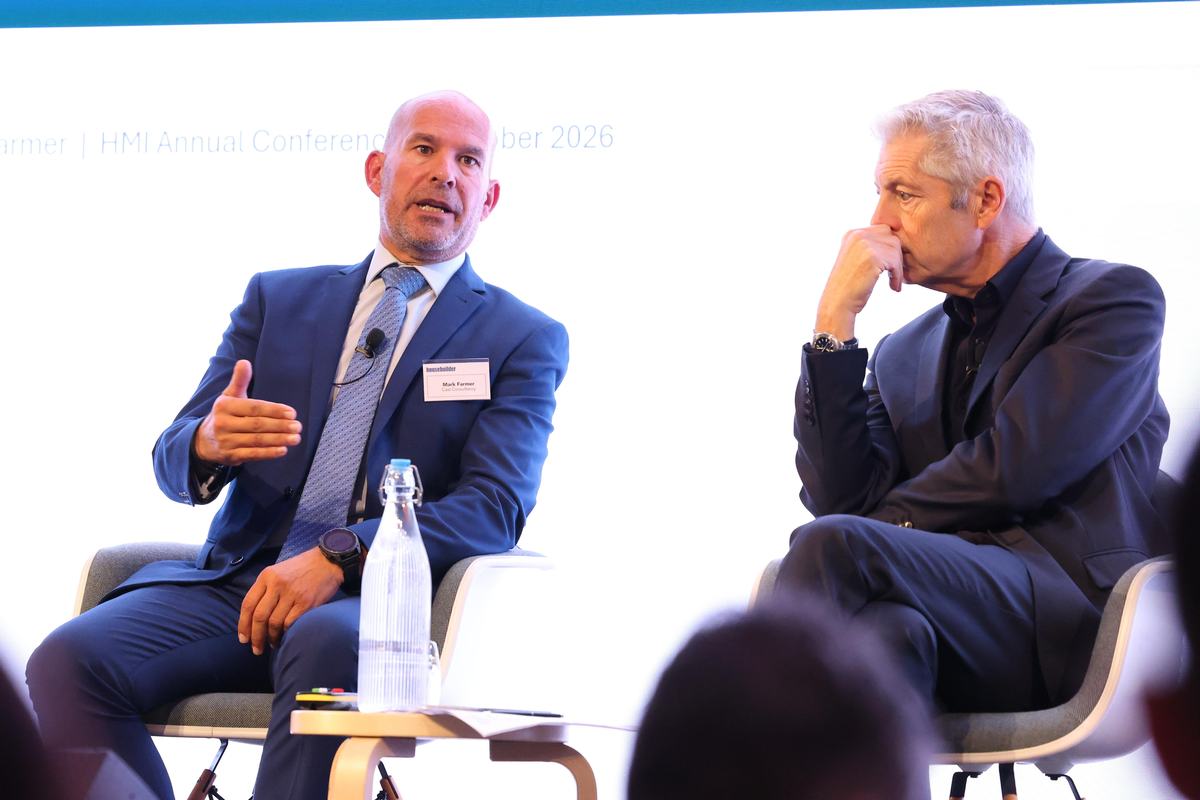
Mark Farmer, founder and board executive of Cast Consultancy, spoke about how the industry should tackle its skills shortage. “We can’t just recruit our way out of this; it’s a more subtle challenge,” he counselled. The sector should concentrate on “what we need in the future and what we can do in the current market context”.
Catherine Williams, HBF’s planning director, summarised the planning reform and changes that had taken place since 2024, and what was to come.
And Paul Turner, NHBC's ceo, explained how the industry had the chance to “apply long-term system thinking” to housebuilding.
The conference closed with an expert panel on what it would take to “deliver in every postcode” – the prime minister Andy Burnham’s stated desire. The panel comprised Novraj Sidhu, divisional chairman of Taylor Wimpey, Andy Dean, head of housing development and sustainability at Lloyds Banking Group, Martha Dalton, co-founder and chief executive of Lodestone and Andrew Rinaldi, managing director of Antler Homes.
HMI 2026 - DIGITAL DELEGATE PACK











































































EXPERT LINE UP AT HMI

Justin Webb
Americast and Today presenter

Gráinne Gilmore
Head of Residential Sector, Cluttons

Simon Century
CEO, National Housing Bank

Neil Jefferson
Chief Executive, HBF

David Smith
Economics Editor, The Sunday Times

Matt Fleming
Executive Chair, The Henry Agency

Paul Turner
Chief Executive Officer, NHBC

Lord Andy Roe
Chair, Building Safety Regulator

Mark Farmer
Founder & Executive Director, Cast Consultancy

Andy Dean
Head of Housing Development & Sustainability, Lloyds Banking Group

Martha Dalton
Co-Founder & Chief Executive, Lodestone

Novraj Sidhu
Divisional Chairman, Central & South West, Taylor Wimpey

Andrew Rinaldi
Managing Director, Antler Homes

Catherine Williams
Planning Director, HBF

Professor Chris Whitty
Chief Medical Officer for England
Sponsors





Where
IET London: Savoy Place, WC2R 0BL